

Knee Pain Treatment In Bradford With Personalised Physiotherapy Support
Knee pain can make walking, training, working and even resting feel harder than it should. At Apex Physiotherapy Clinic, we provide knee pain treatment in Bradford through detailed assessment, tailored rehabilitation and hands-on physiotherapy support, helping you understand what may be driving your symptoms and what practical steps may help next.
What Is Knee Pain?
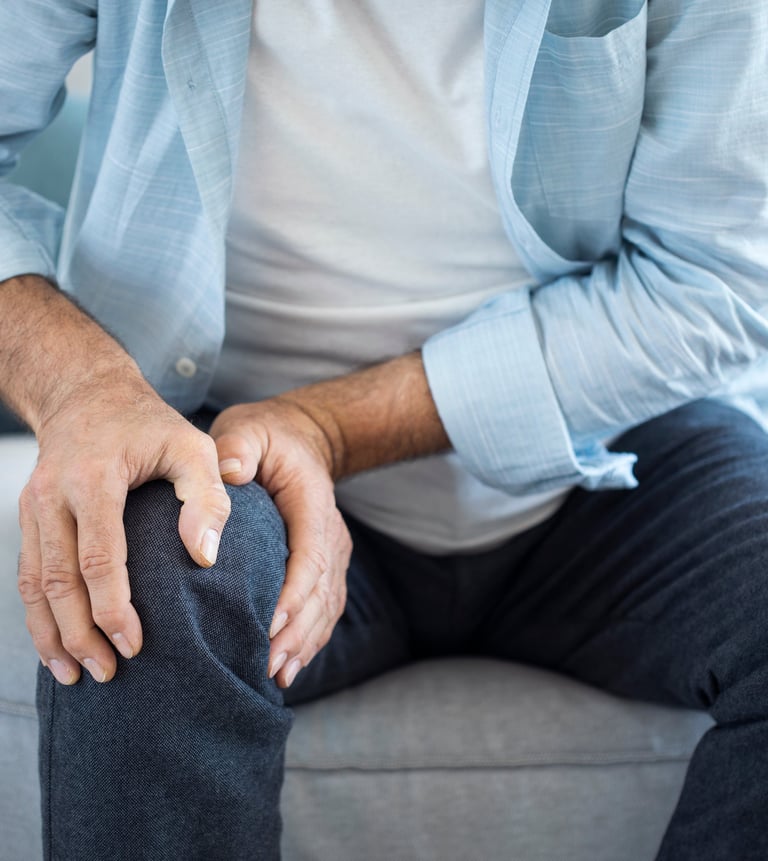
Knee pain is a common symptom rather than a single diagnosis. It can come on suddenly after an injury, build gradually over time, or flare up alongside longer-term joint conditions such as osteoarthritis. Depending on the cause, it may affect the joint itself, the surrounding muscles and tendons, or the way you move and load the leg day to day.
Many people seek support because knee pain starts to interfere with walking, stairs, sport, exercise, work, sleep or confidence in movement. In some cases it settles with time and the right self-management, but persistent or worsening symptoms often benefit from a proper assessment.
Common Symptoms Of Knee Pain
When To See A Professional
Possible Causes Of Knee Pain
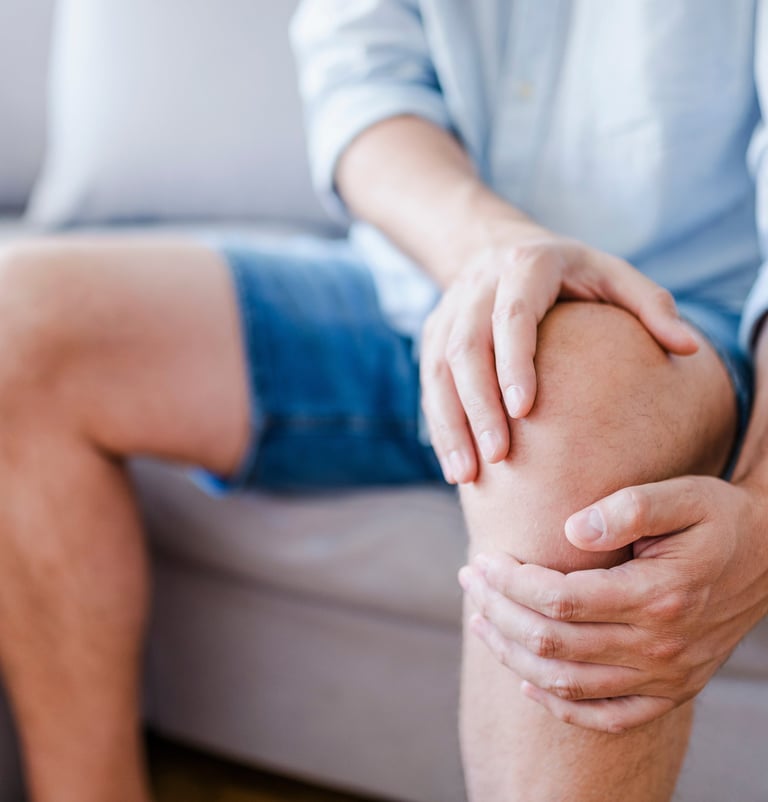
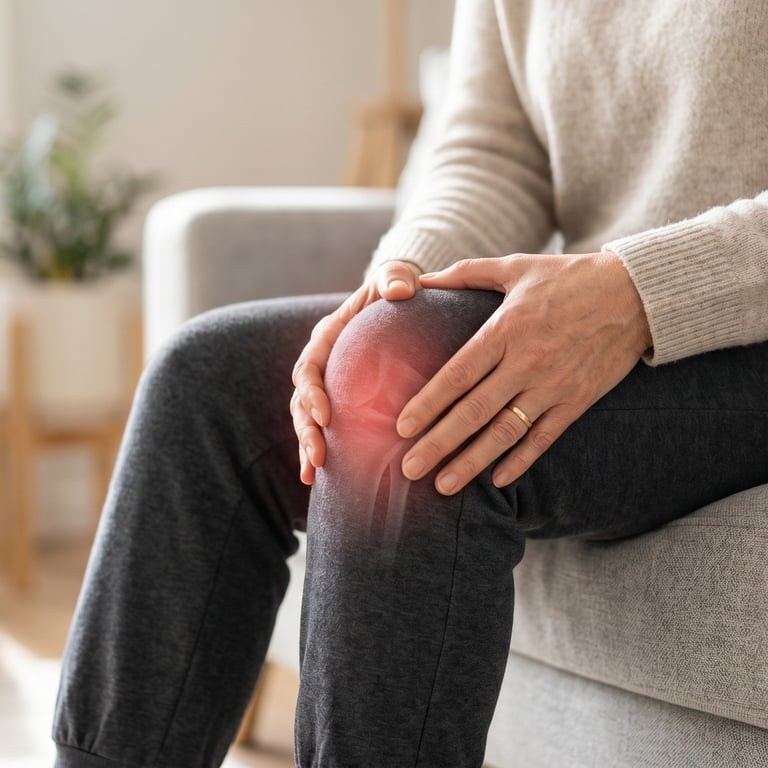
Common knee symptoms can include pain, stiffness, swelling, reduced movement, clicking, a feeling of weakness, or difficulty bending and straightening the knee. Some people also notice that the knee feels unstable or gives way, particularly after an injury.
Possible causes include ligament or meniscus injuries, tendon irritation, overuse, muscle weakness, poor loading patterns, osteoarthritis, post-surgical stiffness, or flare-ups linked to activity changes. Knee pain may also develop after sport, gym training, repetitive work demands, or periods of reduced movement.
It is sensible to seek professional advice if your knee pain is not settling, keeps returning, affects daily activities, follows a clear injury, or is linked with swelling, locking, giving way, or difficulty weight-bearing. Urgent medical help may be needed after a significant injury, if the knee is very swollen, hot, red, badly deformed, or if you cannot put weight through it.
How We Help With Knee Pain
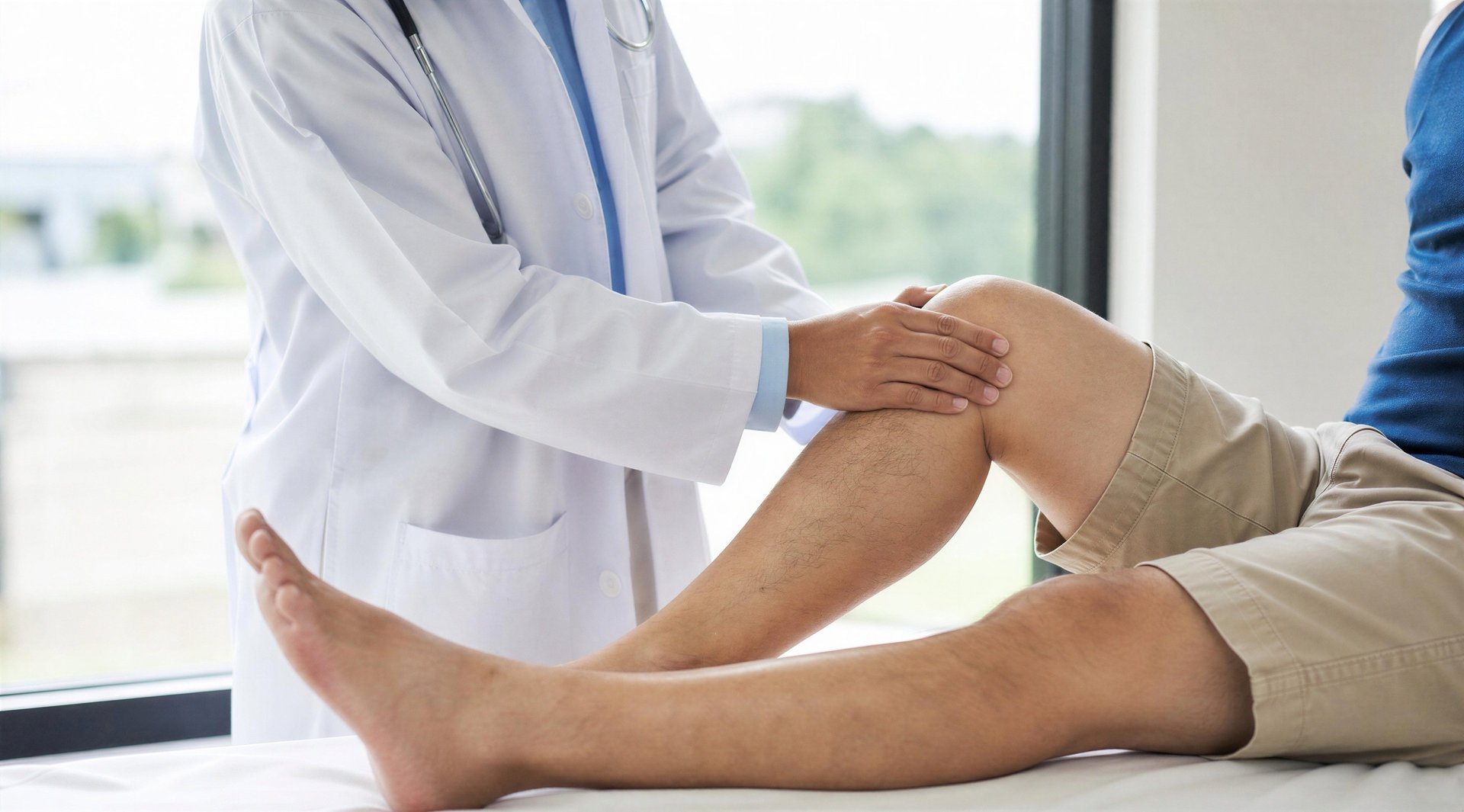
At Apex Physiotherapy Clinic, we help by assessing how your knee pain started, how it behaves, what movements aggravate it, and what your goals are. We then use this information to build a treatment and rehabilitation plan that fits the person in front of us, rather than using a one-size-fits-all approach.
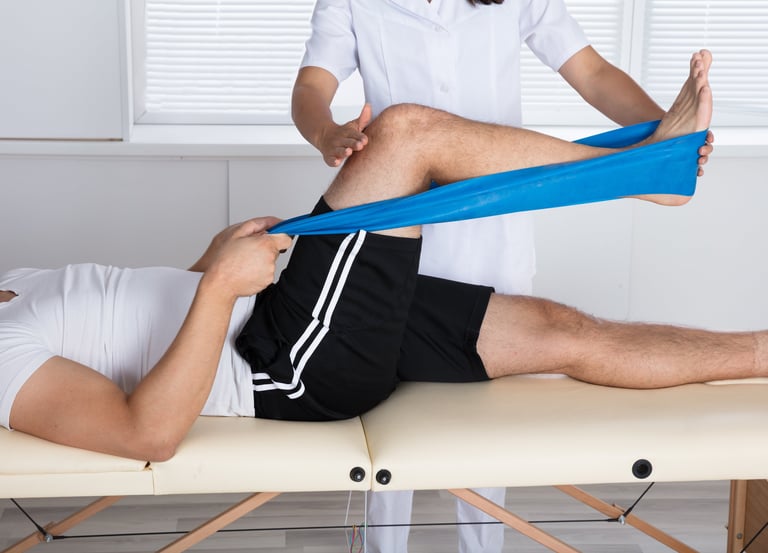
Our support may involve physiotherapy assessment, movement testing, hands-on treatment where appropriate, structured rehabilitation exercises, load management advice, post-surgical rehab planning, and guidance on returning to work, sport, walking or gym training. For some patients, home visits may also be suitable.
We do not promise instant fixes or guaranteed results. Instead, we focus on understanding the likely drivers behind your symptoms and helping you work towards better movement, improved strength, reduced pain and more confidence in your knee over time.
Physiotherapy Assessment And Treatment
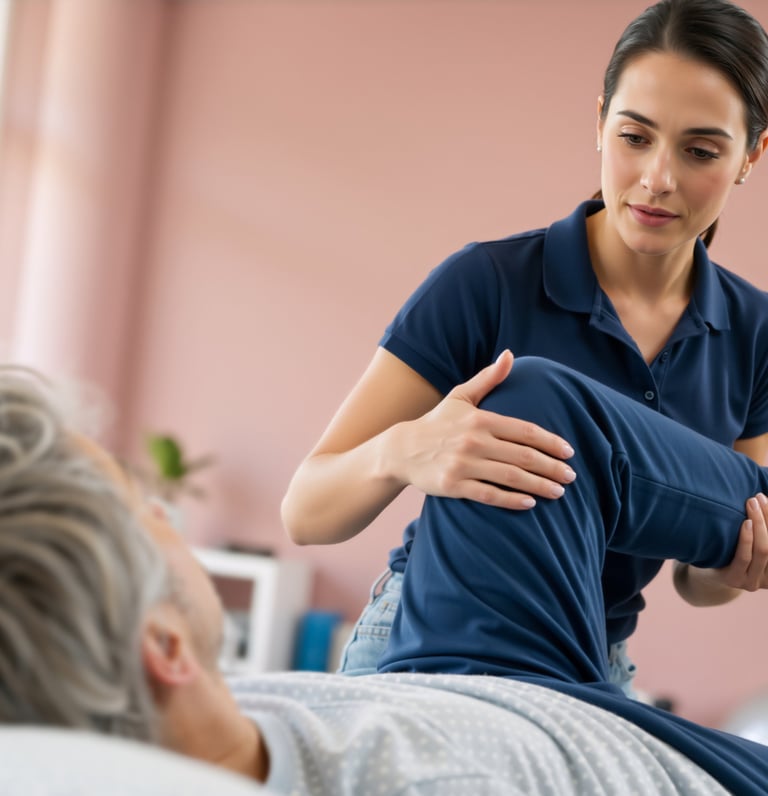
Physiotherapy is often the starting point for knee pain because it allows us to assess your symptoms, movement, strength and function before deciding on the most appropriate next steps. Treatment may include education, exercise therapy, manual therapy and a progressive rehab plan based on your presentation. Physiotherapy is commonly used to help restore movement and function after injury or when pain is limiting day-to-day activity.
MSK Physiotherapy For Knee Problems
MSK physiotherapy focuses on muscles, joints, ligaments, tendons and other soft tissues. This can be particularly useful for knee pain linked to sports injuries, tendon irritation, osteoarthritis, postural or loading issues, and longer-term movement problems. We use it to build a clearer picture of what the knee is tolerating and what needs to improve.
Methods Or Services We Use To Help With Knee Pain
Rehabilitation Plans For Recovery
Rehabilitation is often the key part of treatment for knee pain. That may include improving joint movement, building strength through the hips and legs, restoring confidence with stairs or walking, or progressing towards sport and gym-based activity. NICE guidance for osteoarthritis also supports therapeutic exercise, and manual therapy is only recommended alongside exercise rather than on its own.
Home Visit Physiotherapy
For people recovering after surgery, struggling with mobility, or finding travel difficult, home visit physiotherapy can be a practical option. NHS guidance notes that some physiotherapists may be able to visit you at home if your condition makes attending elsewhere difficult. Our home visit service covers areas around the clinic within roughly a 5 to 8 mile radius.
Soft Tissue Support Where Appropriate
In some cases, sports massage, deep tissue massage or dry cupping may be used as part of a wider plan where surrounding muscle tension, stiffness or recovery demands are contributing factors. These approaches are used to support soft tissue work and should not be seen as a substitute for a full knee assessment when the main issue is joint pain, instability or significant injury.
Learn More About Related Services: Sports Massage, Deep Tissue Massage, Cupping Therapy
Who This May Be Suitable For
This page may be useful for people who are dealing with:
Knee pain after sport, training or gym activity
Ongoing knee stiffness or swelling
Osteoarthritis-related knee symptoms
Pain going up or down stairs
Knee problems after surgery or an injury
Reduced confidence with walking or weight-bearing
Recurring flare-ups that keep affecting work or daily life
It may also be suitable for older adults with mobility concerns, active adults trying to return to exercise, and people who want a more structured rehabilitation plan rather than simply waiting to see if symptoms settle.
Who This May Not Be Suitable For And Key Considerations
This page is not a diagnosis. Knee pain can have different causes, and the right support depends on your symptoms, history and overall health. We may not be the right first step if you have severe trauma, suspected fracture, signs of infection, a hot red swollen joint, sudden inability to weight-bear, or symptoms that need urgent medical review.
Some treatments may also be less suitable depending on skin issues, medication, blood clotting risk, recent surgery stage, or whether your symptoms need GP, orthopaedic or imaging input first. Where needed, we will advise you if referral onward is more appropriate.
Recovery times vary. Acute injuries, flare-ups, osteoarthritis and post-surgical rehab all follow different timelines, so it is important to keep expectations realistic and base treatment around progress rather than promises.
Why Choose Apex Physiotherapy Clinic
Patients choose Apex Physiotherapy Clinic because we combine professional physiotherapy standards with a warm, clear and personalised approach. Muhammed Gaibee is HCPC registered, a CSP member, holds a Master's in Sports Medicine with Physiotherapy, and also works as a Senior Physiotherapist within the NHS.
Our approach is assessment-led and evidence-based. We take time to explain what may be happening, what your treatment options are, and how rehabilitation fits into everyday life. Patients regularly describe the clinic’s approach as motivating, empathetic, clear and understanding.
You can also explore more about our background and approach here: About and Prices.
Areas We Cover
Our clinic is based in Apperley Bridge, making us convenient for patients in Bradford and nearby areas such as Idle, Thackley, Greengates, Eccleshill, Shipley, Baildon, Calverley, Clayton, Thornton, Tong Village and surrounding neighbourhoods. We also offer home visits across selected local areas where appropriate.
FAQs About Knee Pain And Physiotherapy
Can Physiotherapy Help With Knee Pain?
Physiotherapy can help many people with knee pain by assessing contributing factors, improving movement, building strength and supporting a gradual return to activity. NHS guidance explains that physiotherapy helps restore movement and function when injury or pain affects daily life.
Can Physio Help Knee Osteoarthritis?
Physiotherapy may help manage knee osteoarthritis by improving strength, movement and confidence with activity. NHS and NICE guidance both support exercise as a key part of osteoarthritis management.
Do I Need A Scan For Knee Pain?
Not always. Some knee problems can be assessed and managed clinically first. If imaging is needed, this depends on your symptoms, history and examination findings. At Apex Physiotherapy Clinic, direct referral pathways may be available when clinically appropriate.
How Long Does Knee Pain Recovery Take?
That depends on the cause. A recent flare-up, a tendon issue, osteoarthritis and post-surgical rehab can all have very different recovery timelines. Your assessment should give you a clearer idea of what may be realistic in your case.
Do You Offer Home Visits For Knee Pain?
Yes, home visits may be available within our local coverage area for patients who would benefit from assessment and treatment at home. See Our Home Visit Service.
What Should I Do If My Knee Gives Way Or Locks?
A knee that gives way, locks, or cannot fully straighten may need prompt professional assessment, especially after an injury. NHS guidance advises seeking medical help for certain injury-related symptoms and significant difficulty weight-bearing.
Useful External Resources
For broader, general information, these resources may help:
Take The Next Step Towards Better Knee Recovery
If knee pain is stopping you from moving comfortably or getting back to normal activity, Apex Physiotherapy Clinic offers clear, evidence-based support built around your symptoms, goals and recovery stage. Whether you need assessment, rehabilitation, post-surgical support or a home visit, we are here to help you take the next sensible step.
Call: 07342 354118
Email: info@apexclinic.com