
ACL Rehabilitation in Bradford - Clinical Progression of a 28-Year-Old Male Patient
Trusted by our community
★★★★★
Clinical Background & Mechanism of Injury
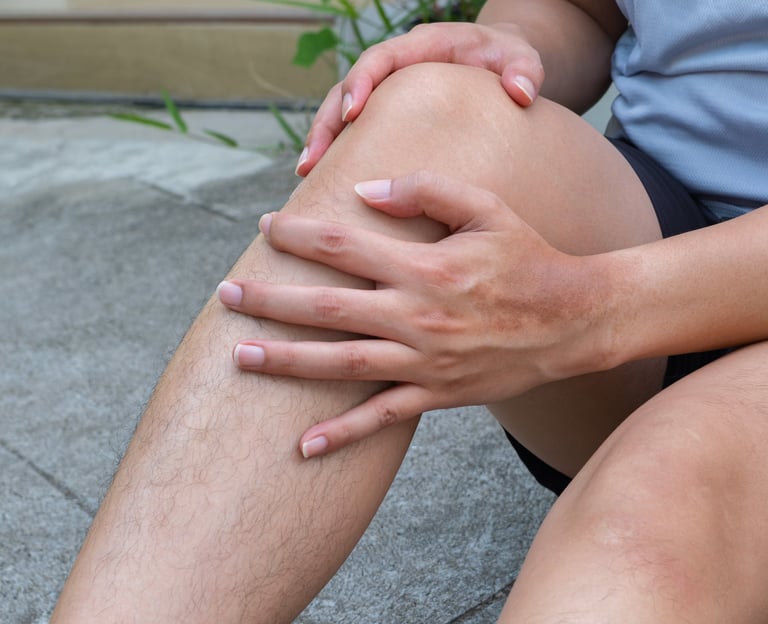
Our specialist ACL Rehabilitation in Bradford: The patient, a 28-year-old male, presented to our clinic following a twisting injury to his right knee. He sustained the injury while stepping out of a hot tub, where the foot slipped, and the knee rotated forcefully, resulting in an immediate audible pop. Rapid swelling occurred within hours, accompanied by difficulty fully weight-bearing and straightening the knee.
From a clinical standpoint, his symptoms raised early suspicion of an ACL (anterior cruciate ligament) rupture. The mechanism of injury was consistent with a rotational, non-contact event, which is typical of ACL involvement. The patient reported a feeling of instability, describing the knee as “giving way”, which is a hallmark sign of ACL deficiency.
Early symptoms included:
Significant swelling around the joint
Loss of terminal extension
Difficulty weight bearing with a normal gait
Loss of quadriceps activation
Sensation of instability
Given his age, daily activity requirements, and the severity of symptoms, a thorough assessment was required to determine structural involvement and guide early management.
Assessment, Clinical Testing & Diagnosis
During the initial physiotherapy assessment at Apex Physiotherapy, his right knee demonstrated:
Visible joint effusion
Reduced flexion and notable loss of full extension
Marked quadriceps inhibition
Pain on end-range movement
Special tests, including the Lachman test and anterior drawer test were performed. Both showed clear anterior translation compared with the unaffected knee, suggesting ACL insufficiency. Due to the presence of swelling, a repeat test was performed in a follow-up session to confirm the clinical picture.
MRI imaging was arranged through the appropriate referral pathway. Findings were as follows:
Complete rupture of the ACL
No significant meniscal tear
No collateral ligament damage
Articular surfaces intact
Given his instability, functional limitations, and desire to return to physical activity, surgical reconstruction was recommended.


Prehabilitation Strategy & Rationale
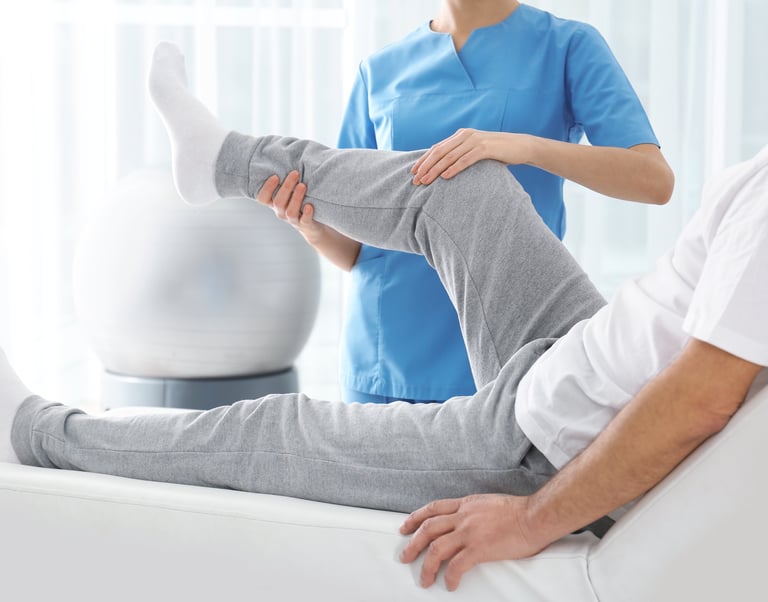
Before ACL surgery, prehabilitation plays a crucial role in long-term outcomes. Evidence consistently shows that patients entering surgery with good quadriceps strength, minimal swelling, and a near full range of motion have significantly better postoperative recovery.
Objectives of the prehabilitation plan:
Restore full knee extension
Reduce joint swelling
Improve quadriceps and hip strength
Normalise gait pattern
Maintain cardiovascular fitness where possible
Interventions included:
Low load long duration stretching for extension
Neuromuscular electrical stimulation (as appropriate)
Quadriceps activation drills
Stationary cycling for range and circulation
Closed chain strengthening
Early balance and proprioception tasks
Over several weeks, the patient achieved full extension, improved flexion, symmetrical gait, and strong quadriceps activation. This placed him in an ideal position for reconstructive surgery.
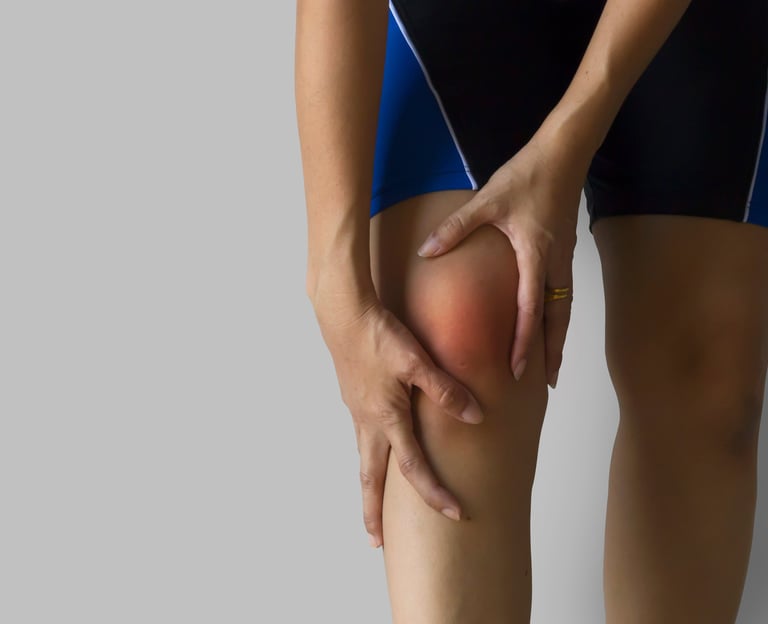
Early Post Operative Rehabilitation, 0-6 Weeks
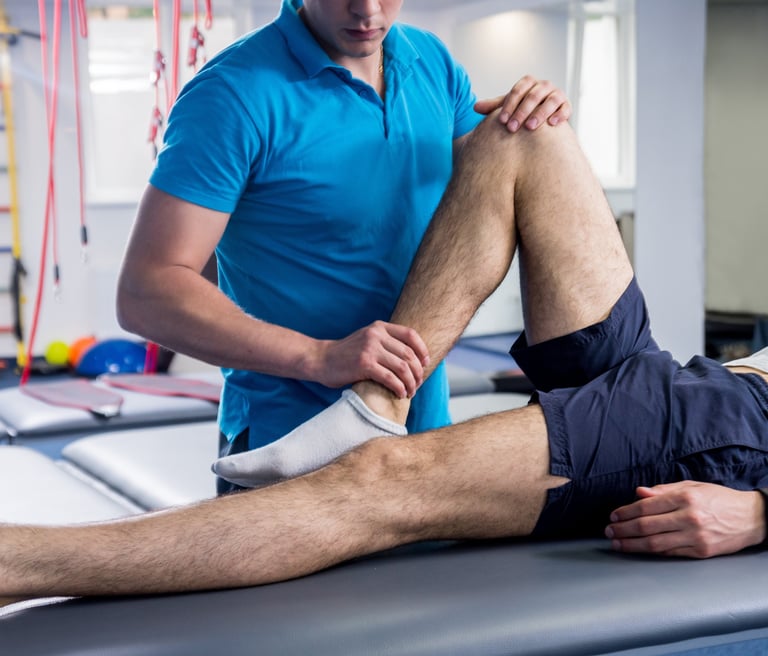
Our postoperative rehabilitation in Bradford focused primarily on graft protection, early movement, and neuromuscular control. Maintaining extension is critical during this stage to prevent long-term deficits.
Key goals during this phase:
Control swelling
Restore full extension promptly
Gradually increase knee flexion within surgical guidelines
Re-establish quadriceps activation
Begin early closed chain work
Methods used:
Cryotherapy and swelling management
Patellar mobilisation to prevent stiffness
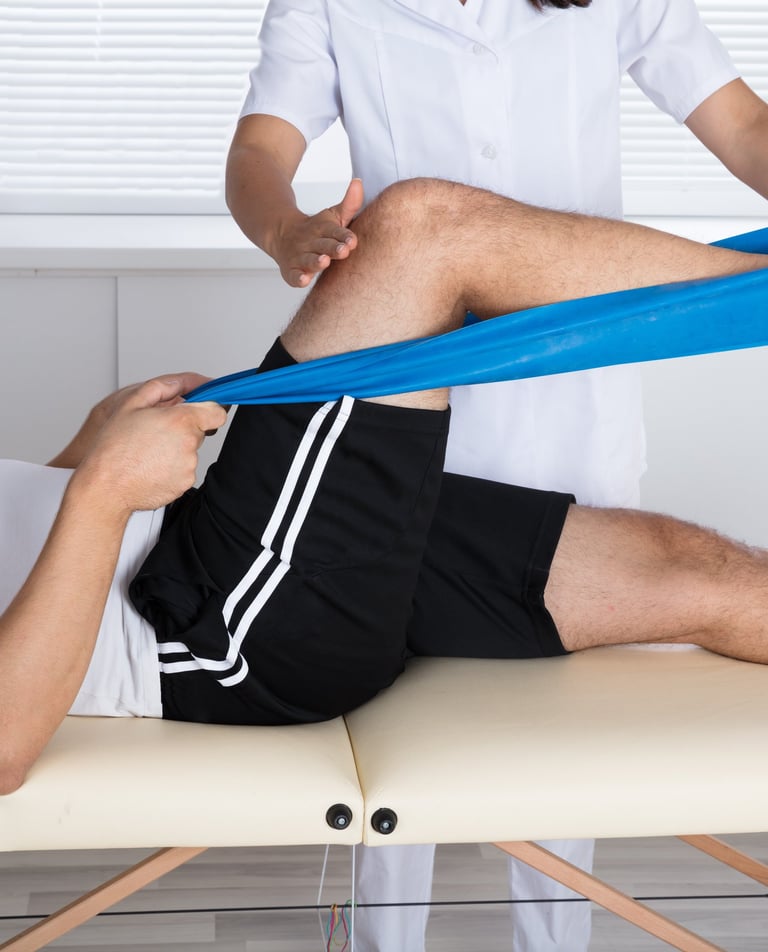
Heel slides and active assisted flexion
Early straight leg raises with technique emphasis
Sit to stand practice within tolerance
By the end of Week 6, he had full passive extension, improving flexion, and a normalised gait pattern. His quadriceps control had progressed sufficiently to allow return to work between Weeks 6 and 8.
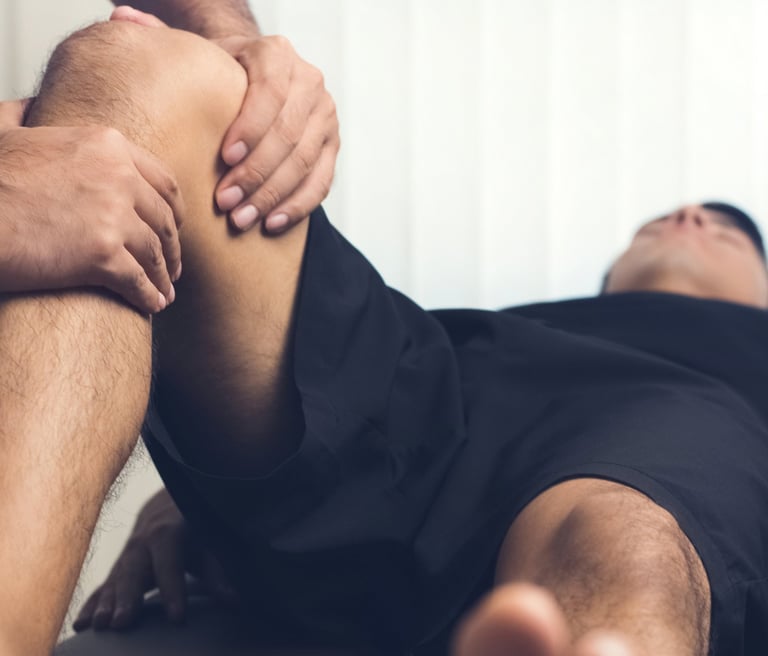
Middle Phase Rehabilitation, 6-12 Weeks
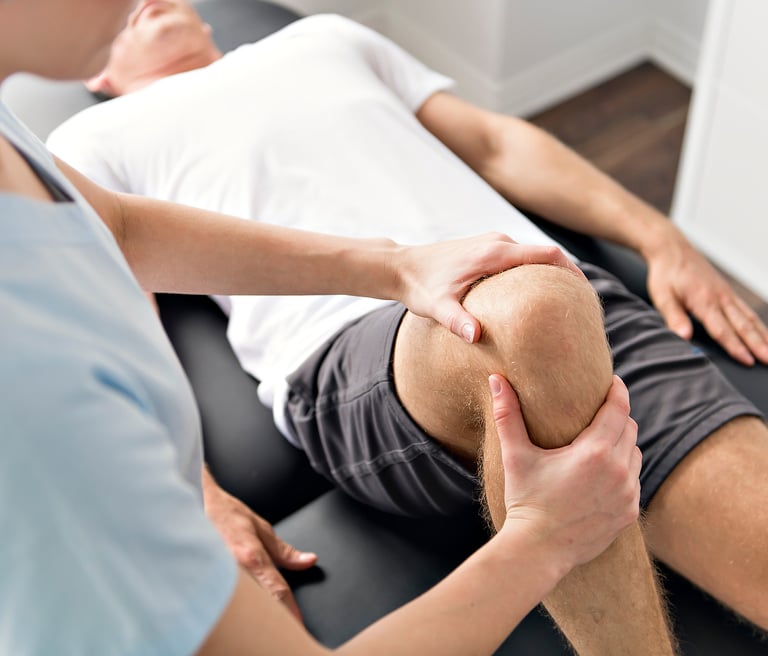
This stage focused on restoring limb symmetry, building progressive lower limb strength, and enhancing neuromuscular control.
Clinical priorities:
Achieve full knee flexion
Improve strength in quadriceps, hamstrings, glutes, and calves
Develop single-leg stability
Begin low-impact cardiovascular conditioning
Interventions:
Leg press with progressive loading
Step downs to target eccentric control
Lunges and split stance variations
Single-leg balance and proprioceptive drills
Cycling and cross-trainer sessions
The patient adhered closely to his plan. By Week 12, strength and control had progressed to a level suitable for gym reintroduction under guided supervision.
Advanced Functional Phase, 3-6 Months
This phase is essential for bridging the gap between basic rehabilitation and functional readiness.
Treatment goals:
Improve multi-directional stability
Increase strength and endurance
Introduce controlled plyometrics
Enhance movement quality
Progressions included:
Weighted squats and deadlifts as tolerated
Lunges with increased range and control
Step downs from higher platforms
Small hops, focusing on landing mechanics
Agility-based drills were introduced cautiously
During this phase, emphasis was placed on correcting compensations and developing equal loading through both limbs.
Final Stage Rehabilitation, 6-12 Months
The final phase focused on confidence, higher intensity loading, and a safe return to running and recreational activity.
Key components:
Advanced balance and proprioceptive work
Running reintroduction using walk-run progressions
Progressive loading through compound lifts
Higher-level impact training in controlled environments
By Month 11, the patient was completing steady state runs, performing strength training independently, and demonstrating excellent single-leg stability.
Clinical Outcome Summary
At 11 months post-surgery, the patient achieved:
Full and symmetrical knee range of motion
Strong quadriceps and hamstring activation
No residual swelling
No instability or episodes of giving way
Full return to running and gym activity
Excellent knee confidence and function
His strategic ACL rehabilitation in Bradford was designed to implement consistent adherence, strong engagement with the programme, and a disciplined approach to each phase.
Physiotherapist’s Perspective
From a clinical standpoint, this case demonstrates the importance of structured rehabilitation, patient education, and progressive loading. The patient’s outcomes were strongly influenced by:
High quality prehabilitation
Consistency with home exercises
Clear understanding of recovery milestones
Gradual exposure to increased load
Close monitoring of movement patterns
ACL reconstruction rehabilitation is a long-term process requiring patient commitment and clinician expertise. His successful return to running highlights what can be achieved through evidence based rehabilitation, clear communication, and phased progression.
If you require ACL rehabilitation in Bradford or the nearby areas, speak to our experienced professionals today.